
Exploring Male Pelvic Floor Health: Anatomy, Function, and Exercise Approaches
A structured, independent resource presenting information about the male pelvic floor for general understanding. Materials are descriptive and reflect a range of perspectives without promoting any outcome or product.
Why This Resource Exists
Pajoma was established to address a consistent gap in structured, accessible information about male pelvic floor anatomy and function. Discussions of this topic in everyday contexts are often incomplete, narrowly focused, or difficult to navigate without a clear framework.
This resource presents material in an organised, editorial manner. It is intended for general reading and independent understanding. All content is descriptive, drawing on publicly available knowledge about anatomy, physiological principles, and the history of exercise approaches. Nothing here constitutes personalised guidance of any kind.
Responsible reading: The materials on this site are for informational purposes and general orientation only. Readers are encouraged to approach all content critically and to draw on a range of sources when forming their own understanding.
The Male Pelvic Floor: A Framework for Understanding
The pelvic floor in men is a group of muscles and connective tissues forming the base of the pelvis. These structures span between the pubic bone at the front and the coccyx at the rear, supporting the organs of the lower abdomen and playing a role in several body functions.
For men aged 35 and over, awareness of this anatomical region has grown substantially within general health education. Discussion now covers not only the identification of relevant muscles, but also the broader context of how physical activity, posture, and habitual movement patterns relate to pelvic floor function.
This resource organises that information into clearly defined topics: anatomy and terminology, approaches to physical exercise, historical context, common misconceptions, and the boundaries of reasonable interpretation.
Learn About This Resource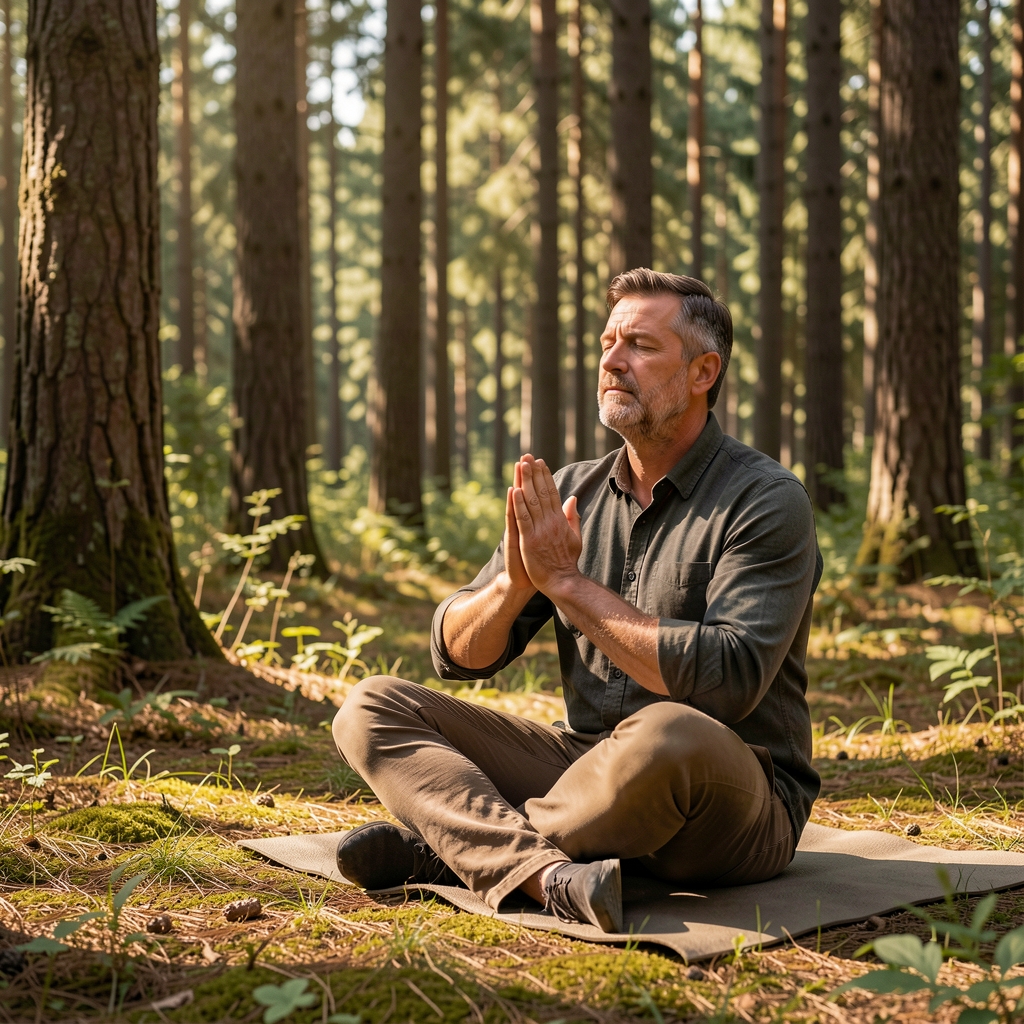
What Is Often Misunderstood
A number of persistent misunderstandings circulate regarding pelvic floor anatomy and exercise in men. Examining these helps to establish a more accurate baseline.
Pelvic floor concerns are a women's topic
Men have a pelvic floor with the same structural complexity. Awareness of male pelvic anatomy has developed significantly within general health education over recent decades, distinct from obstetric or gynaecological contexts.
Pelvic floor exercises are a modern invention
Awareness of the pelvic region in relation to physical function has historical roots across multiple cultures. Formalised exercise frameworks emerged in the mid-twentieth century and have evolved considerably since.
More contraction is always better
Exercise approaches for the pelvic floor recognise both strengthening and relaxation as relevant principles. The relationship between muscle tension, coordination, and overall function involves more nuance than a purely intensity-focused view would suggest.
Understanding Pelvic Floor Exercises
Physical approaches to pelvic floor conditioning have developed across several decades. Understanding the landscape of these approaches requires context: where they originated, what principles underpin them, and how interpretations have changed over time.
Early formalised descriptions of pelvic floor exercises were documented in mid-twentieth century physiology literature. These drew on anatomical knowledge that had been accumulating since the early modern period. The exercises described by Arnold Kegel in 1948 were initially developed within a gynaecological context, though subsequent decades saw the principles extended to broader populations and purposes.
Male-specific frameworks emerged progressively from the 1980s onwards, informed by advances in pelvic anatomy imaging and a growing interest in preventive physical practices.
Most documented approaches share a common recognition that the pelvic floor muscles respond to both voluntary contraction and deliberate relaxation. The ability to identify these muscles, produce controlled contraction, and fully release them is considered foundational across different frameworks.
Coordination with breathing and core posture is a recurring theme in more recent approaches, reflecting broader understanding of how the pelvic floor functions as part of an integrated system rather than in isolation.
Published approaches vary in their emphasis. Some focus on isolated contraction of specific pelvic muscles. Others integrate pelvic floor awareness within broader movement patterns, postural work, or breathing practices such as those associated with yoga or Pilates-derived frameworks. A further category addresses functional movement — connecting pelvic floor engagement to everyday activities like walking or lifting.
Each approach reflects different assumptions about the role of the pelvic floor and the best context for developing awareness and coordination.


A Longer History of Awareness
Interest in the muscles and structures of the lower pelvis predates modern exercise science by centuries. Classical anatomy texts from the Renaissance period included descriptions of the perineal region, and various traditional movement practices from East and South Asia incorporated awareness of the lower abdominal region as part of broader physical disciplines.
The formalisation of pelvic floor exercises in Western health contexts during the twentieth century represented a convergence of anatomical knowledge, physiological understanding, and clinical observation. The subsequent extension of these ideas into general fitness and preventive health marked a further evolution of the discourse.
For men specifically, this history is less documented but no less substantial. Awareness of pelvic anatomy within physical education, military conditioning, and sport science has contributed to the current understanding, though the explicit framing of “pelvic floor health” as a distinct category is largely a development of the past forty years.
Explore Exercise HistoryExplore Our Editorial Insights
Each article examines a distinct aspect of male pelvic floor understanding, from anatomical foundations to the limits of reasonable interpretation.
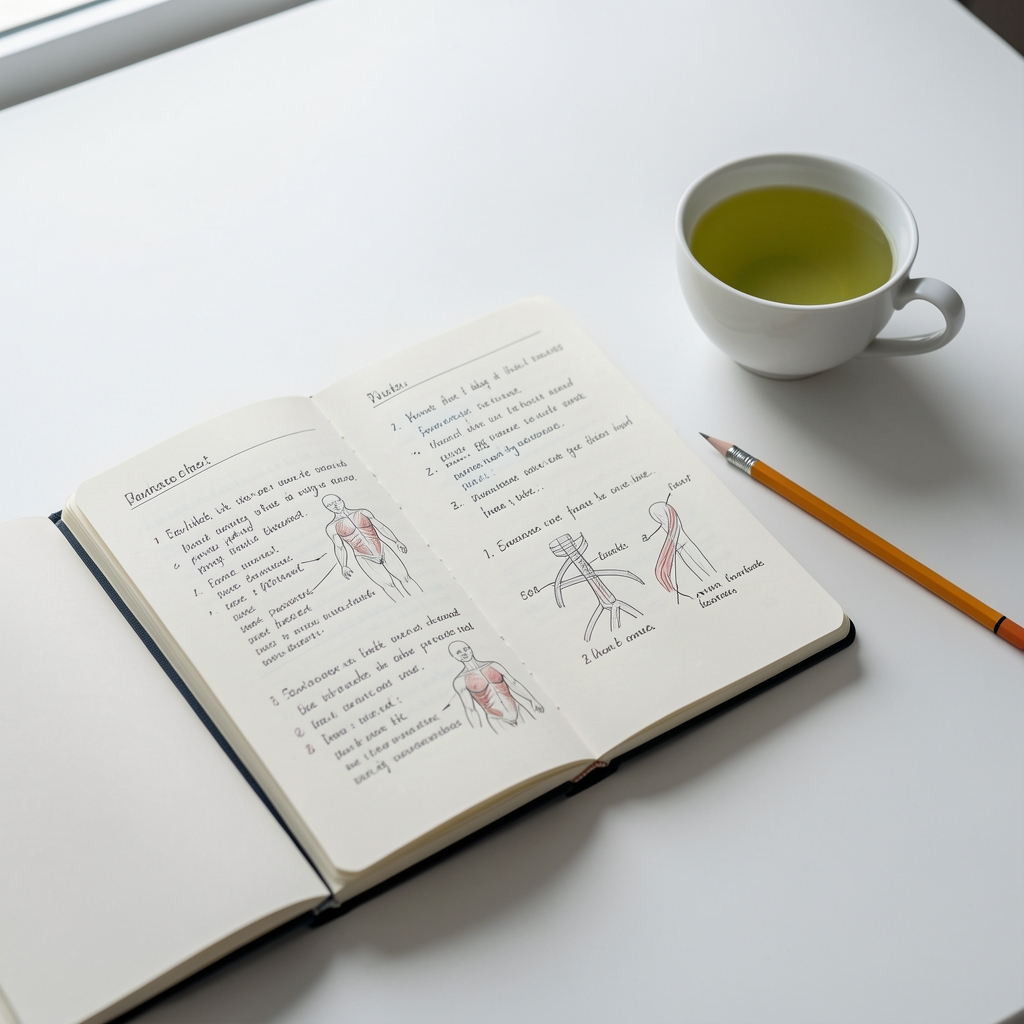
Anatomy of the Male Pelvic Floor Explained
A detailed examination of the key muscle groups, their names, structural relationships, and roles in supporting pelvic organs.
Read article →
Approaches to Pelvic Floor Exercise: History and Context
An overview of how exercise frameworks for the pelvic floor developed from mid-century physiology through to contemporary interpretations.
Read article →
Common Misconceptions About Male Pelvic Floor Function
An examination of frequently encountered misunderstandings and what a more accurate reading of available information suggests.
Read article →General Correspondence
For questions relating to the editorial content or general enquiries about the resource, Pajoma can be reached by email or post. This is an informational resource and does not offer any form of personalised guidance or interactive services.
Email: [email protected]
View Contact Details
Continue Exploring the Topic
All materials are structured for independent reading and general orientation. Explore the full collection of editorial articles.
Read Further